The autonomous vehicle revolution in Europe continues
A massive shift by European regulators towards embracing autonomous mobility continues.

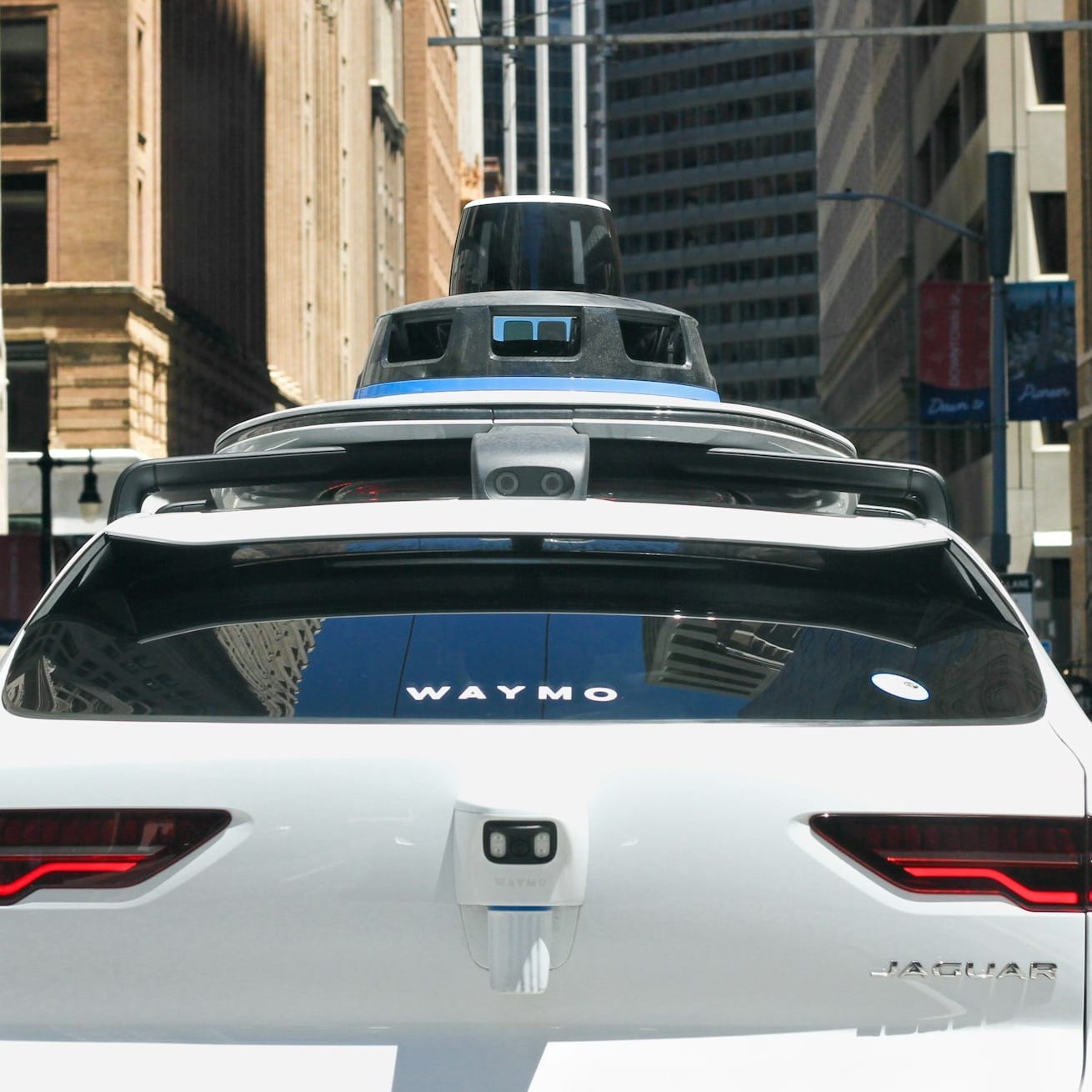
Europeans started to get excited about more autonomous and semi-autonomous mobility options earlier this year when multiple EU Member States began approving Tesla’s Full Self-Driving Supervised (FSD) mode. Just two months later, Google’s self-driving taxi venture Waymo announced plans to launch its first EU operations in Munich, Germany by 2027.
And the good news keeps coming.
Recently, the Region of Madrid approved UBER, WeRide, and AVOMO to begin mapping and testing autonomous passenger rides in Madrid, with the first rides expected by the end of 2026. AVOMO is a subsidiary of the Spanish Moove Cars Group, focusing on rolling out autonomous vehicle services in the United States and now also Europe.
WeRide also secured a permit and a partnership with Zurich Airport to shuttle passengers from the terminal to planes at remote positions using their driverless buses.
Pony.ai and Verne announced the first autonomous test drives from Zagreb Airport to the business district of Croatia’s capital using their technology powered by Nvidia chips. The consortium expects a larger rollout of this service in Zagreb in the near future. Verne is a spinoff of the Croatian carmaker Rimac, which also demonstrates that European companies can compete in the top league of autonomous driving technologies.
On September 15th, the Swedish transport company Einride announced that, in partnership with the German retail giant Lidl, it had received approval for the Society of Automotive Engineers Level 4 Standard from the German Federal Motor Transport Authority (KBA). Einride will deploy electrified lorries on German roads. From September 2026 on, these driverless trucks will connect Lidl warehouses with stores. While this is still a pilot project, Lidl hopes to address driver shortages by adding autonomous delivery vehicles, thereby enhancing its supply chain resilience.
Germany’s road rules are seen as among the toughest in the world, and such approval should make technology enthusiasts in Europe and beyond feel positive about the future of further AV rollouts.
EU Tech Loop previously reported that 7 out of 10 fatal accidents could be prevented by introducing driverless cars in the European Union. That could save up to 13,000 lives per year.
Technology pessimism is often associated with European rulemaking. The good news is that in autonomous mobility, we can see a massive shift by European regulators towards embracing innovation on the road. The potential for road safety and consumer convenience is huge, and the good news doesn’t seem to stop.
 Fred Roeder