
Autonomous vehicles may help with road safety in Europe
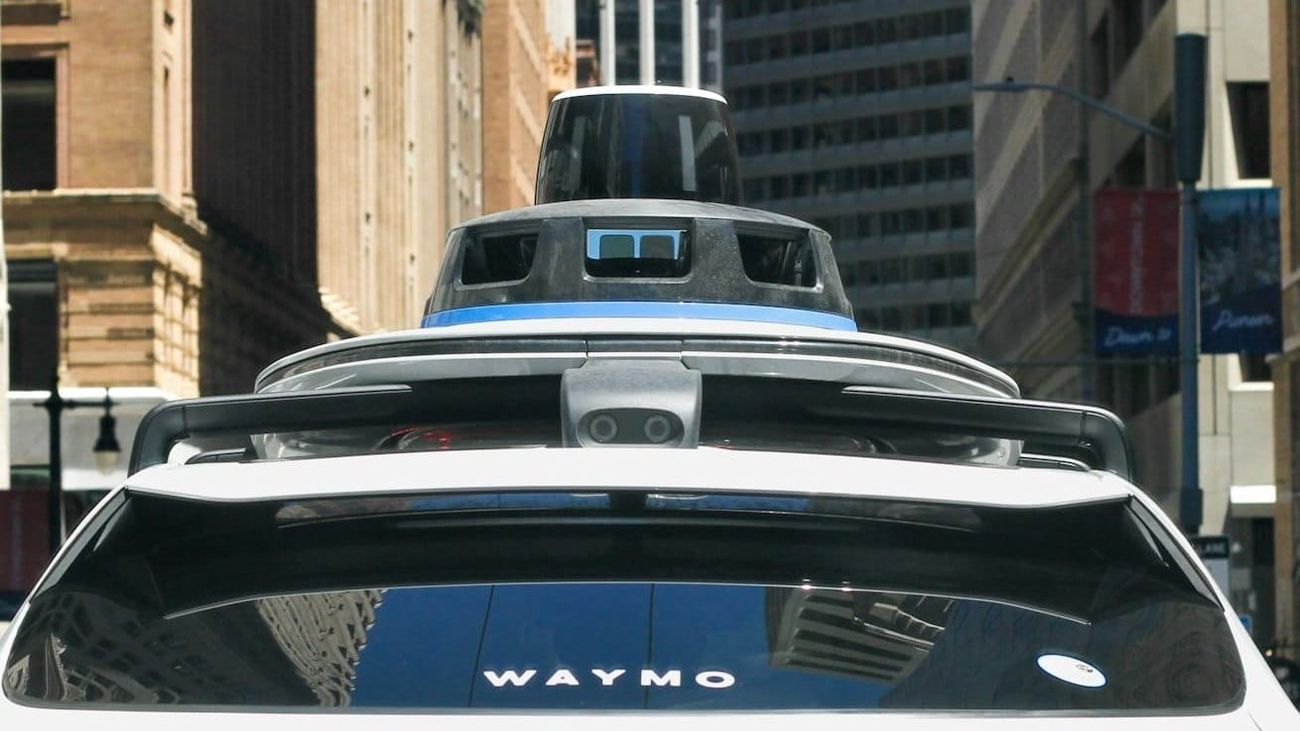
Waymo coming to Munich’s streets is not just good news for passengers dreading the music choice of local taxi drivers, but also has wider implications for road safety and affordability.
Following technology news about Europe on social media can be frustrating, as positive news is often overshadowed by complaints that consumers lack access to the latest innovative technologies and services, due to a plethora of regulations from Brussels.
The autonomous vehicle (AV) sector, however, looks positive in Europe this year - the United States’ leading autonomous vehicle company, Waymo, just announced that Munich will be its latest addition to its ongoing global expansion. While Waymo already offers services in dozens of cities across the United States, it recently began its international rollout, with London, Tokyo, and Munich as the first three cities abroad.
This is not the first good news for Europe’s consumers, lazy drivers, and AV-enthusiasts this year. Yael Ossowski recently pointed out that a Dutch decision to greenlight Tesla’s Full Self-Driving Supervised (FSD) led to a domino effect of approvals, with Danish, Lithuanian, and Estonian regulators quickly following suit and giving Tesla owners more choice in how much they trust their car's semi-autonomous features.
AV taxis are 12 to 20 times safer than human-driven taxis
Waymo coming to Munich’s streets is not just good news for passengers dreading the music choice of local taxi drivers, but also has wider implications for road safety.
Nobel laureate Daniel Kahneman suggested early on that machines will ultimately be better and safer than humans at decisions about navigation and driving. A few years later, we do have hard data to back this up. Data from major US cities show that AV-taxis are between 12 and 20 times safer than human-driven taxis, helping prevent many accidents and injuries.
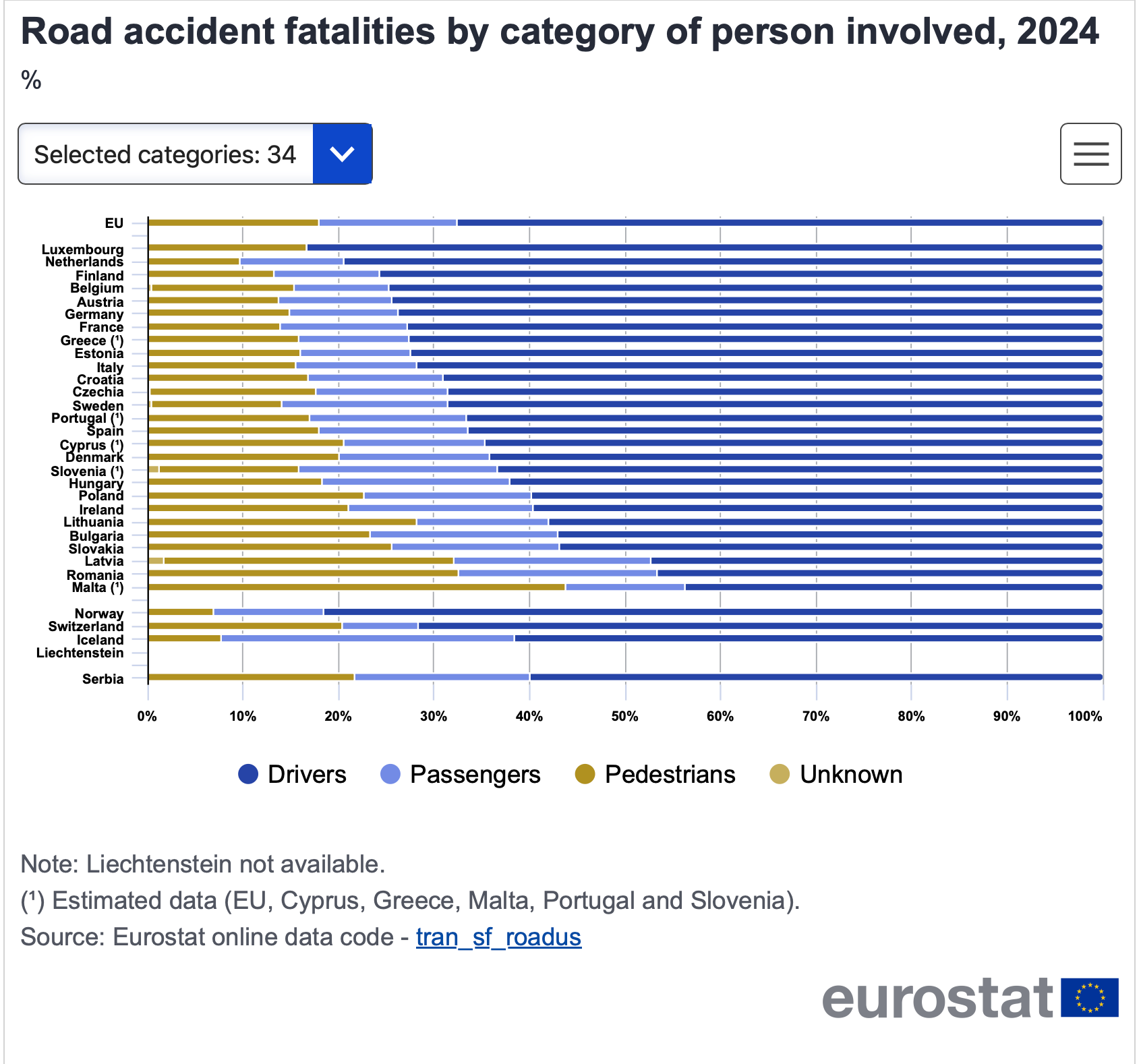
Given that we still have around 20,000 road fatalities in Europe every year, where 67% of all accidents happen due to the drivers’ fault (See Picture below), it should be in the interest of consumers and policymakers to reduce this by enabling cutting-edge technology.
Competition and better affordability for consumers
With Munich taxi fares from the airport to downtown ranging from 80 to 90 euros per trip, AV taxis could be a game-changer for many passengers across the EU, especially those living in remote areas with no access to public transport or many late-night flights.
Although, in the past, ride hailing apps have created a competitive challenge to traditional taxis, the expansion of AV taxis can add to it, ultimately making rides more affordable for average consumers.
Opportunities for European carmakers
Companies like Waymo should also not be seen as competitors to the car industry, but as companies that program and build your driver. Especially for the German automotive industry, this might be a huge opportunity to partner up and plug into the AV ecosystem so that, one day, visitors from all over the world can be chauffeured in a driverless, locally manufactured BMW or Audi through Munich.


