Seven AI-powered solutions revolutionizing women's healthcare
Startups and more mature companies across the world are leveraging AI to make new solutions for women, spanning from preventative wearables to software making clinical trials easier and cheaper to tools for safer pregnancies.

Innovative companies worldwide are leveraging AI to develop new products and services that make women's healthcare easier, more affordable, and simpler. Solutions ranging from preventive health wearables to AI-powered software for clinical trials to AI-powered medical devices can soon transform how women take care of their health, while also making the work of doctors and clinics easier and more precise.
Many of the AI-powered products and services featured below require vast amounts of health-related data, a challenge in the European Union due to personal data and privacy frameworks that, in turn, limit the growth of European-born healthcare solutions. However, the advanced research and scientific capabilities in Europe can be matched with commercial outputs if the EU advances on its’ Health Data Spaces' strategy and finds ways to accelerate access to this data for researchers working with innovative companies.
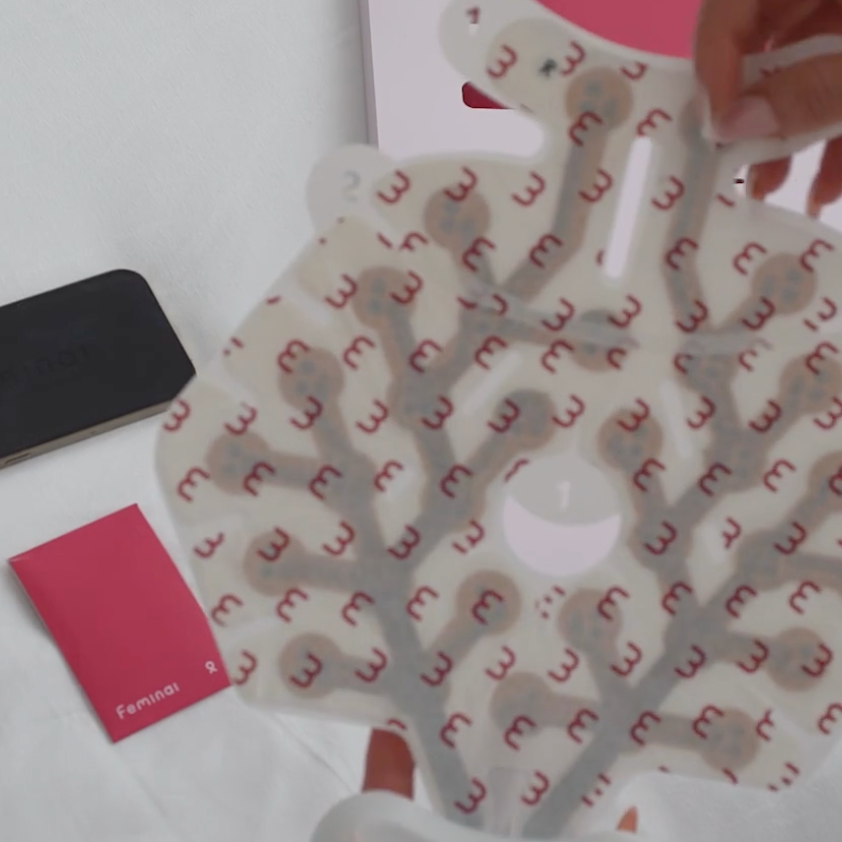
#1 Breast cancer self-screening with an AI-enabled wearable patch - FeminAI, Israel
Israeli FeminAI healthtech startup, founded in 2023, is currently developing a breast cancer prevention product that allows women to scan themselves without leaving home.
A combination of a wearable patch with sensors and an app has proven successful - clinical trials at Israel’s Sheba Medical Center reported 96% sensitivity, and the startup received a 1,65 shekel grant from Israel’s Innovation Authority and a $6 million seed funding round. The product is not yet available for purchase - neither in Israel nor in the EU.
#2 Wearable cup for menstrual health - Emm, United Kingdom
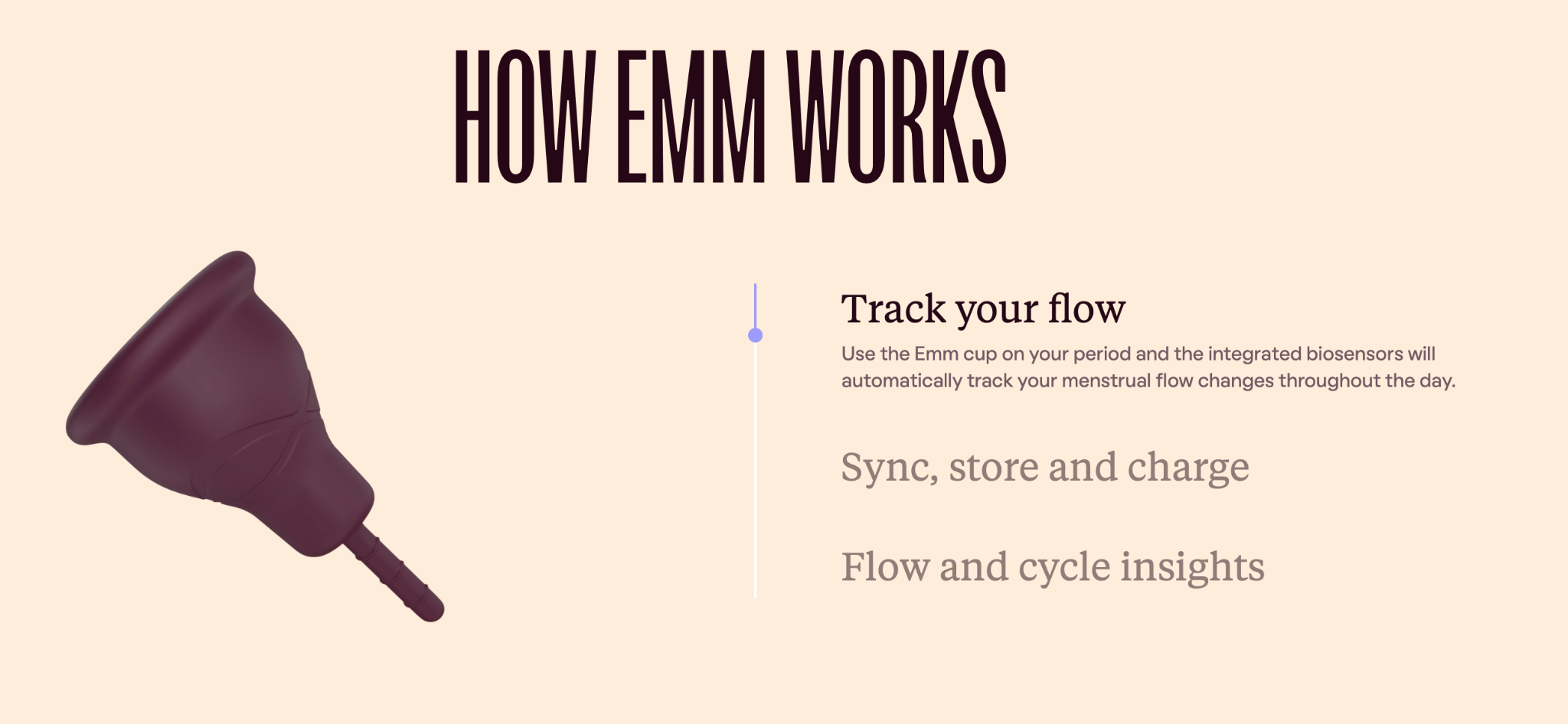
In the world of many sleep, sport, and cardiovascular health wearables, the British startup Emm (founded in 2020) created a wearable solution for women to track their menstrual flow and health.
The product is essentially a menstrual cup made of medical-grade hypoallergenic silicone with ultra-thin integrated biosensors that track menstrual flow, potential changes, and analyze them via a custom app. Emm has secured a $9M investment from private funds and has received regulatory clearance from the UK authorities for consumer distribution in June 2026. The product is available for pre-order in the UK.
#3 Fighting hormone-related chronic pain and mood swings - Nettle/Lutea, Samphire, the United Kingdom
Samphire Science, based in the United Kingdom and Lithuania and founded in 2021, has created a solution - a Samphire Companion App, along with a wearable Nettle/Lutea band for women experiencing chronic pain and mood swings due to hormonal changes.
The Samphire Companion App tracks user inputs on pain and mood, and later notifies the user when to start wearing the headband with transcranial direct current stimulation, which stimulates some parts of the brain while calming others.
Samphire’s wearable band, called Nettle in the EU/UK markets, has been approved as a class IIa medical device, whereas in the US it’s called Lutea and is listed as a consumer wellness product.

#4 Digital twins for clinical trials - Unlearn AI, United States
The American Unlearn AI, founded in 2017, leverages AI to accelerate and improve clinical trials for new medicines. The company also creates digital twins of real patients, thus generating baseline health trajectories, shortening trial times, and reducing the number of patients needed for clinical trials. This can also help fill the historical gap of women's representation in clinical trials, where old clinical trials had limited numbers of women due to fears of hormonal cycles or pregnancies.
The company has received $134 million in total funding, partners with major pharmaceutical companies, and has even received a green light from the European Medicines Agency (EMA) to use its digital twin methods in Phase 2 and Phase 3 clinical trials.
#5 Keeping babies’ hearts healthy before birth - B-right/Brightheart, France
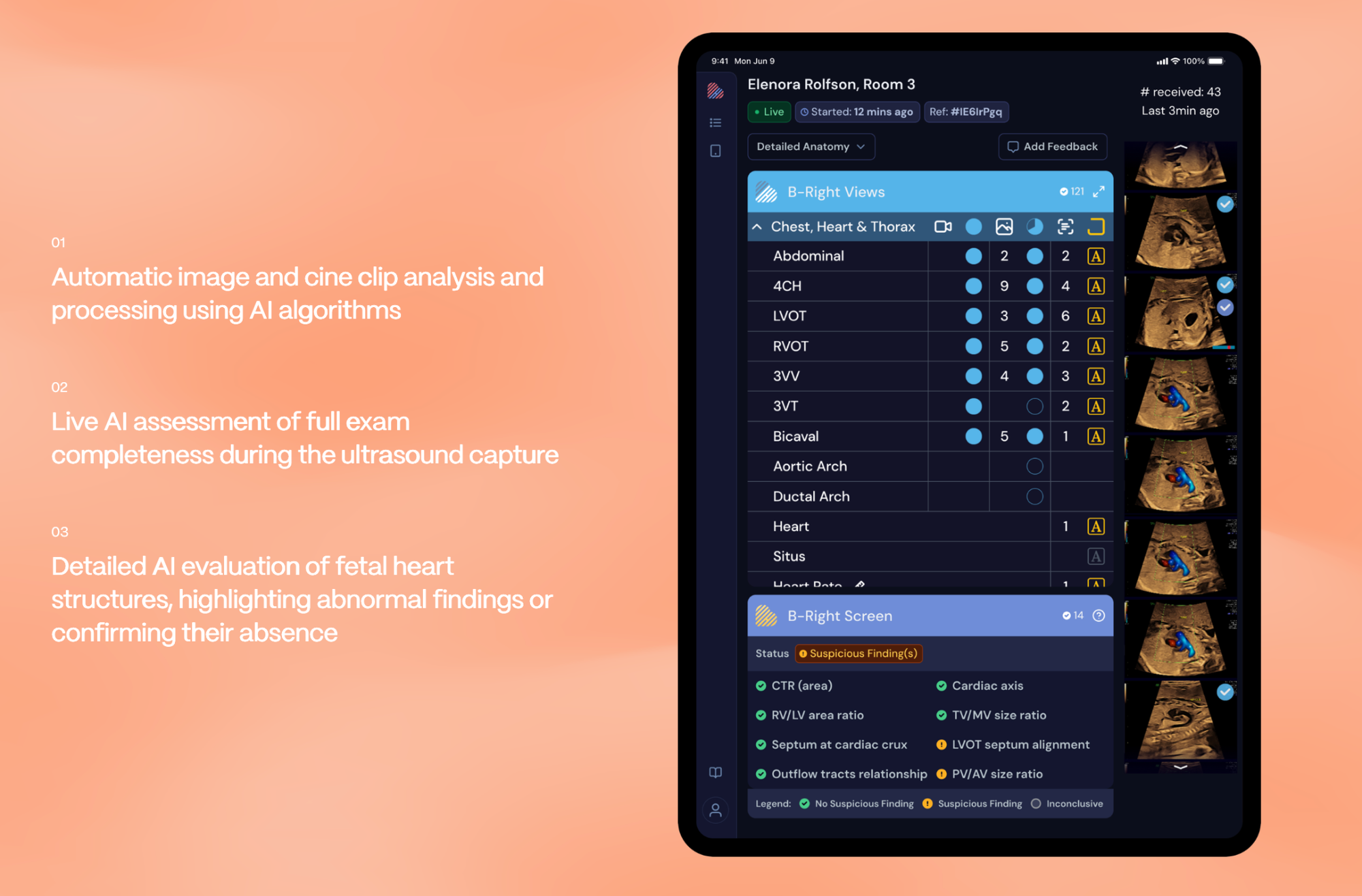
French startup Brightheart, founded in 2022 by two French fetal cardiologists, provides an AI-powered solution, B-right, that helps healthcare professionals avoid missing anything during ultrasound scans on babies. The doctors can use the platform to track any abnormalities, see AI-powered assessments in real time, catch them early, and schedule necessary surgeries before the babies are born.
The product has already received FDA clearance in the United States and a CE mark for product safety in Europe, meaning the platform will be used across the Atlantic.
#6 Tracking unborn babies' health - Bloomlife, the United States
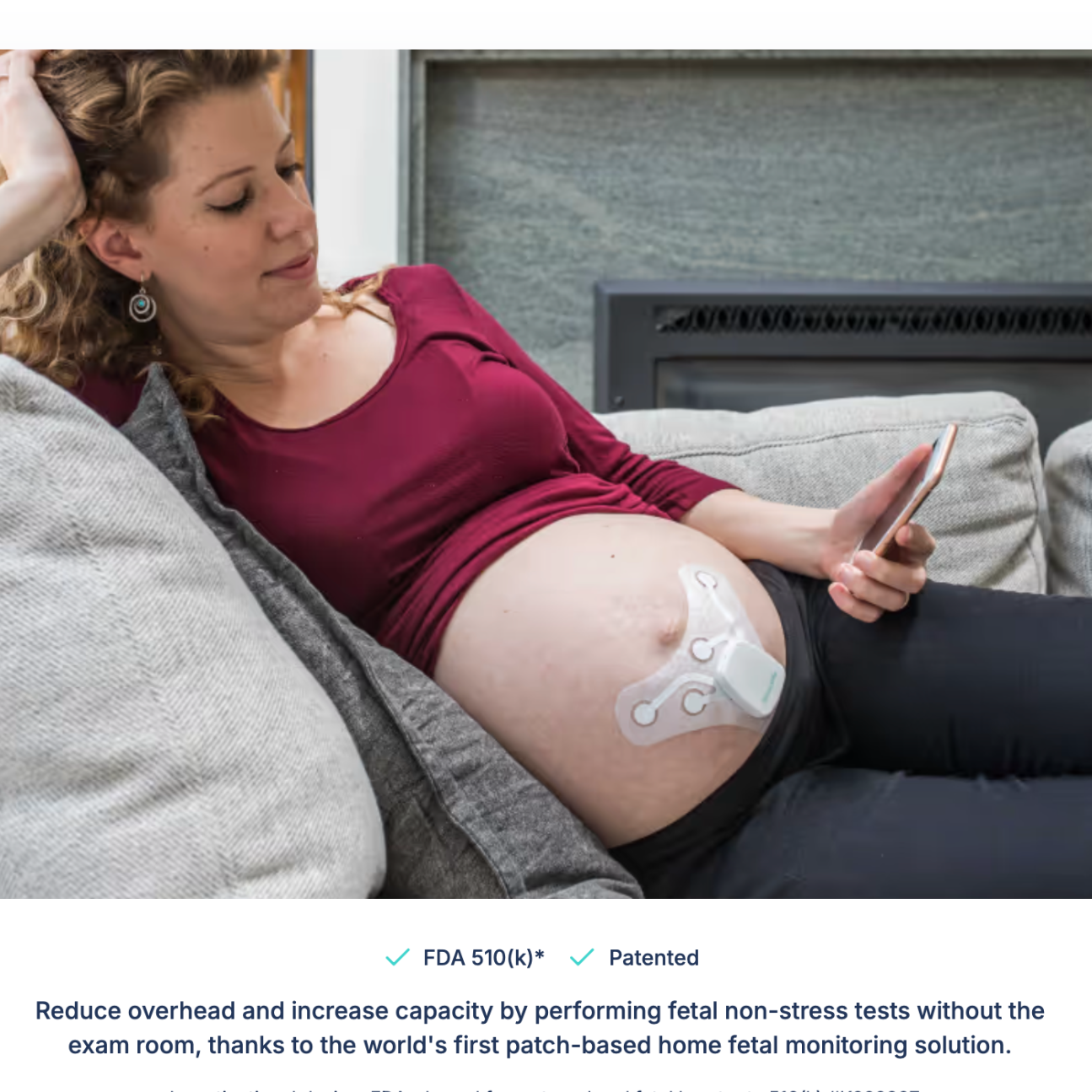
American Bloomlife company founded in 2014 offers wearable patches that help pregnant women to track their babies heart rate and movements, while also tracking mother’s heart rate, uterine contraction frequency and contraction duration via an FDA-approved, prescription wearable patch.
The product makes difficult pregnancies easier for mothers, as the data can be sent to the doctor and assessed without frequent trips to the hospital. For doctors, the continuous data collected through a wearable patch can help assess abnormalities earlier, preventing emergency visits and high-risk complications.
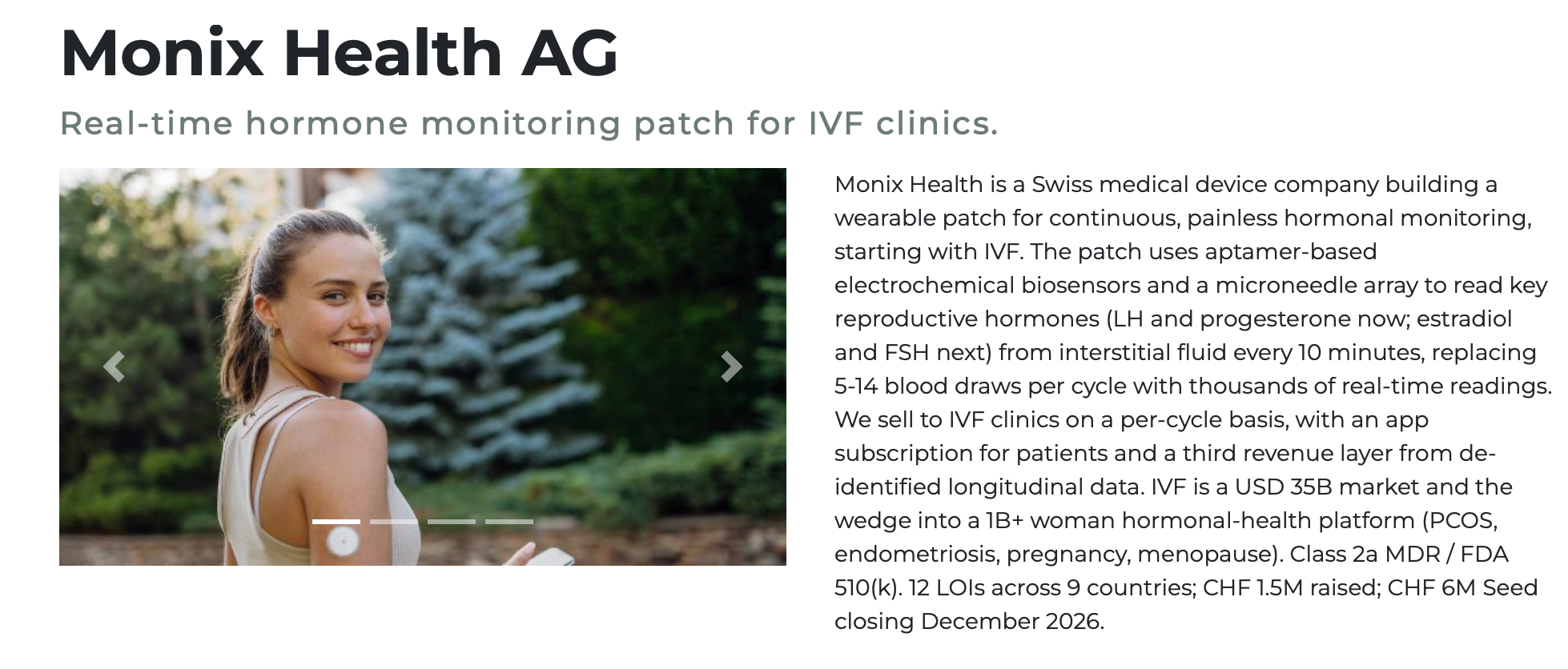
#7 Tracking hormonal health without frequent visits to the clinic - Monix Health, Switzerland
The Swiss startup Monix Health, founded in 2025, is currently developing a wearable patch, similar to glucose patches, with microneedles, that tracks female hormone levels every 10 minutes. The Swiss solution reduces the need for frequent visits to the hospital to draw blood at specific cycle times - which is difficult to schedule for women with busy schedules or limited access to healthcare.
At the moment, the startup focuses on IVF and pregnancy-related hormones, with plans to expand on hormones relevant for menopause or perimenopause, as well hormonal imbalances and conditions such as the PCOS, endometriosis to develop personalised treatment protocols together with their doctors.