Ensuring the safety of smart glasses: constructive solutions vs. virtue signaling
The German digital rights group filed a criminal complaint against Meta/Ray-Ban smart glasses, raising concerns about proportionality, applicability of the very same idea in other EU Member States, and existing issues with law enforcement.
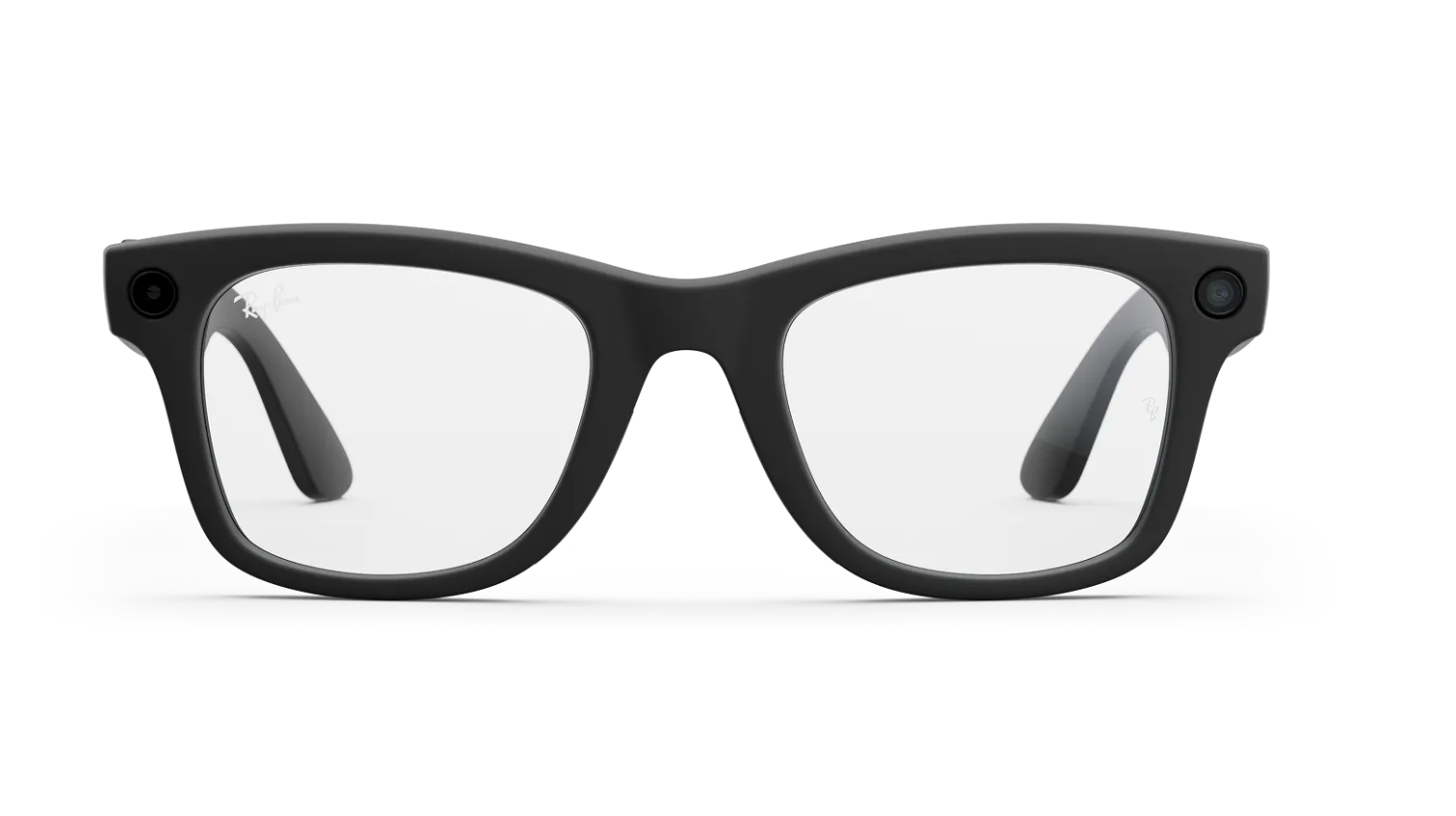
German non-profit group HateAid filed a criminal complaint against META, Ray-Ban, Oakley, and several eyewear retailers with the Central Office for Combating Internet Crime in Germany, seeking a ban on the sale of Meta’s AI glasses (Wayfarer – Gen 2). The group argues that the glasses violate the German Telecommunications, Digital Services, and Data Protection Act.
The group says that Ray-Ban Meta AI glasses are “indistinguishable” from real glasses, and with 41 million people wearing glasses in Germany alone, this can create “image-based digital violence” and “disguise a particularly inconspicuous surveillance technology as an everyday object”.
Fragmented approach to public photography in the EU
It's worth noting that German public photography laws are stricter than those of many other EU countries. While taking pictures and videos of panoramic views and public events is allowed, taking videos or images of individual people without prior consent is not. In contrast, many other European countries permit public photography and filming, including of passers-by, as long as the content is not used for malicious, commercial, or vigilante purposes.
The EU has long been criticized for a fragmented approach to implementing the EU's data protection laws, and the issue of public photography and filming is likely to become another point of discussion in the near future.
Accompanying petition
The group's accompanying petition calls, first and foremost, for a complete ban on the sale of Ray-Ban Meta AI glasses in Germany, which could theoretically be implemented after a legal assessment of their compliance with German law.
The second request sounds absolutely reasonable - ensure safety by design, making sure that the glasses are “clearly identifiable”. The group suggests color-coding the cameras. Currently, RayBan/META AI glasses already have a built-in white LED light that blinks continuously while the user is taking a photo or filming.
The third request - to not leave the affected to fend for themselves also leaves nothing to argue about and points to more serious, deep-rooted issues with law enforcement and protecting one's rights, whether offline or online.
Violence against women: digital, physical, psychological
The group argues that smart glasses have to be banned altogether, pointing to increasing numbers of digital violence, which often is targeted at women. Indeed, the instances of physical and psychological violence against women in Europe are on the rise, and AI and deepfakes can certainly create new layers of privacy and security threats. However, data from previous years indicate that law enforcement, legal frameworks, and even the know-how for protecting one's rights are currently insufficient to protect women, and this has been the case long before the launch of smart wearables.
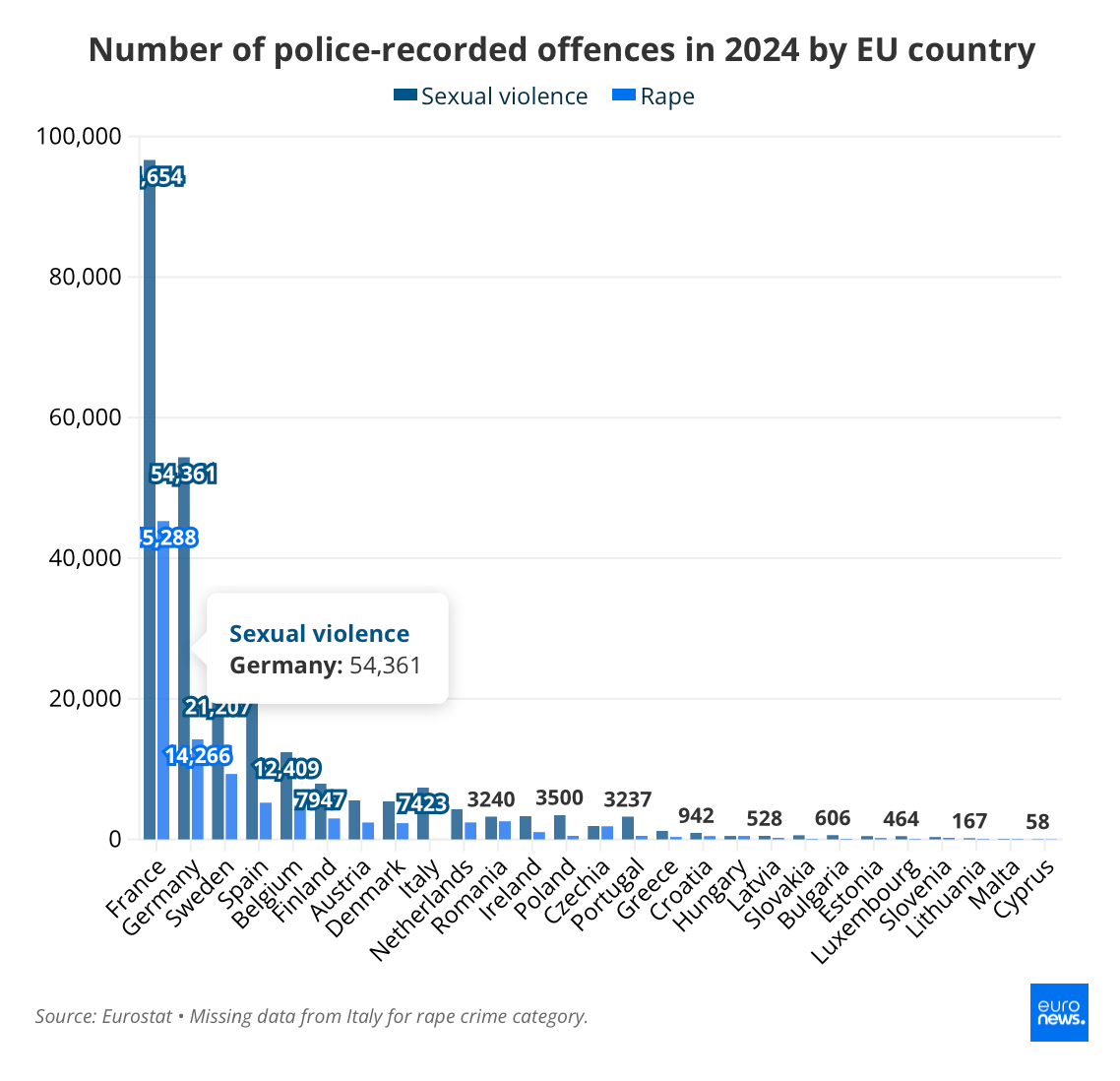
For example, in 2024, Germany, France, and Sweden reported the highest rise in recorded sexual violence and rape offense instances (see Picture below). Moreover, 30% of women in Germany say they have experienced psychological violence from their partners, 32% - sexual harassment at work, 14% - stalking.
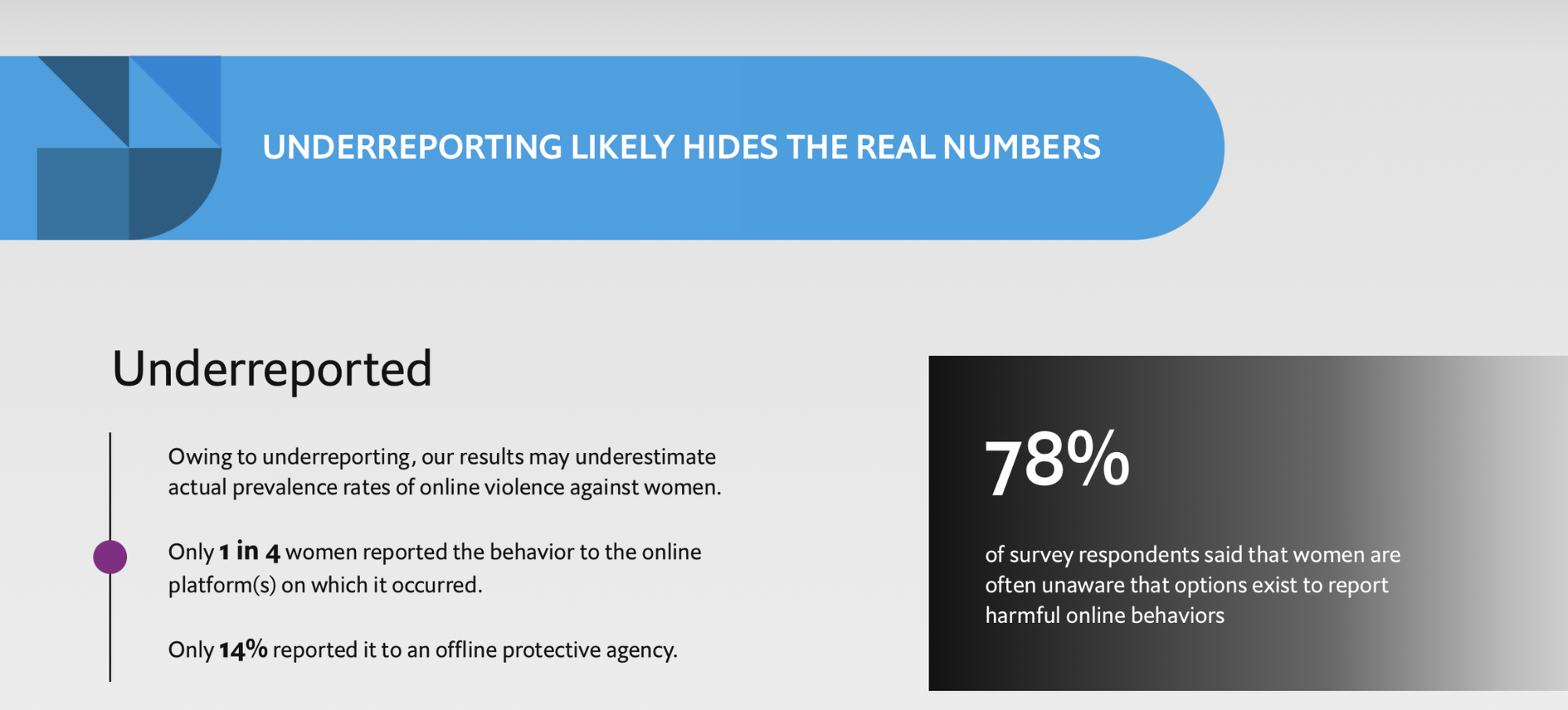
When it comes to online abuse, data shows that very few women report online abuse or even know their rights. This illustrated by the Economist’s Intelligence Unit’s report from 2025, which says that only 1 in 4 women report online abuse, only 14% reported it to law enforcement, and 78% are unaware of the options to fight back online harassment, doxing, impersonation, and more.
The United Nations's specialised agency for women states that combating online abuse should include a range of instruments: from education and empowerment to public-private cooperation and safety-by-design standards, as well as sufficient investment in research to support policymaking. Banning technology per se is not suggested.

Available (and unregulated) surveillance technologies disguised as everyday objects
The EU has always been marked by stark contradictions. While the EU’s data protection framework limits even the use of clearly visible CCTV cameras to help protect one's property and physical security and the digital rights groups are asking to ban heavily regulated wearables, a five-minute research on Amazon.de shows that multiple hidden-camera devices are available on the European market. One can only speculate that far more creative solutions are available on the black market, out of regulators' and digital rights groups' sight.
The types of devices vary from knock-off smart glasses to camouflage smoke detectors, clocks, or even clothing racks with built-in cameras. Naturally, none of these devices serves any purpose other than surveillance, and they certainly do not have built-in blinking indicators that protect the rights of those being filmed.