
Changes to US AI diffusion incoming? 'Alienating allies' is not good policy, after all
Last week, David Sacks called for scrapping the AI diffusion rule, warning it alienates allies and risks pushing them toward China. The policy has faced a modest EU backlash.
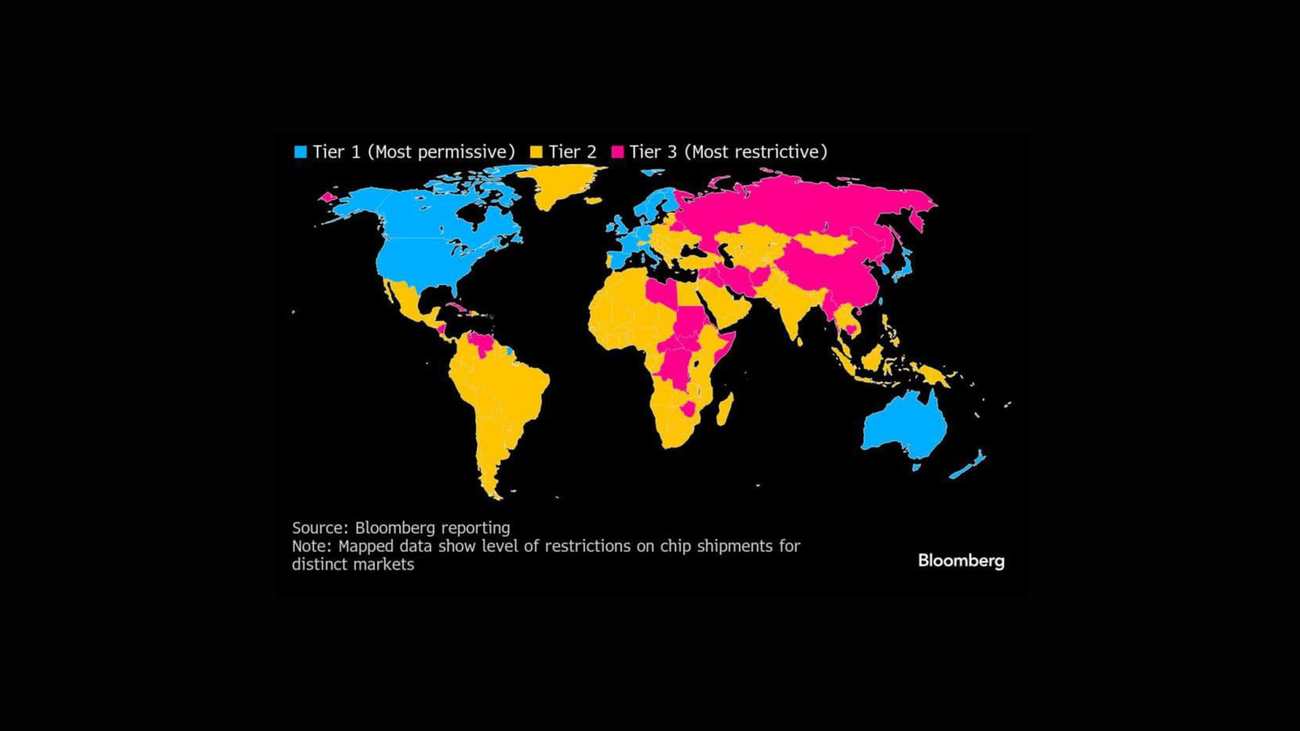
Last week, the US AI & Crypto khan, David Sacks, issued a statement: "To win the AI race, the AI diffusion rule must go," advocating for changes to the chip export control rules enacted by former President Biden in January 2025.
His logic is straightforward: "If we make it too hard for them to work with us, we risk pushing them into China’s orbit."
Interestingly, Mr. Sacks cited the alienation of allies as one of his key arguments against the AI diffusion plan. We hope this message can permeate into other policy areas beyond tech.

The AI diffusion plan has surely been received negatively by many EU Member States, along with the European Commission back at the beginning of the year.
We wrote before that Tier II countries, such as Eastern EU Member States, Portugal, Greece, Austria, Switzerland and Cyprus can import up to 50,000 advanced GPUs, with the potential to double this cap to 100,000 units if they enter into technology security agreements with the US. We wouldn't be surprised if these 'technology security agreements' never went anywhere over the past 5 months.


