
Irish Presidency: what’s on the radar for digital, consumers, and innovators?
On July 1, Ireland takes the helm of the Council of the EU with 68 "priorities" spanning competitiveness, values, and security.
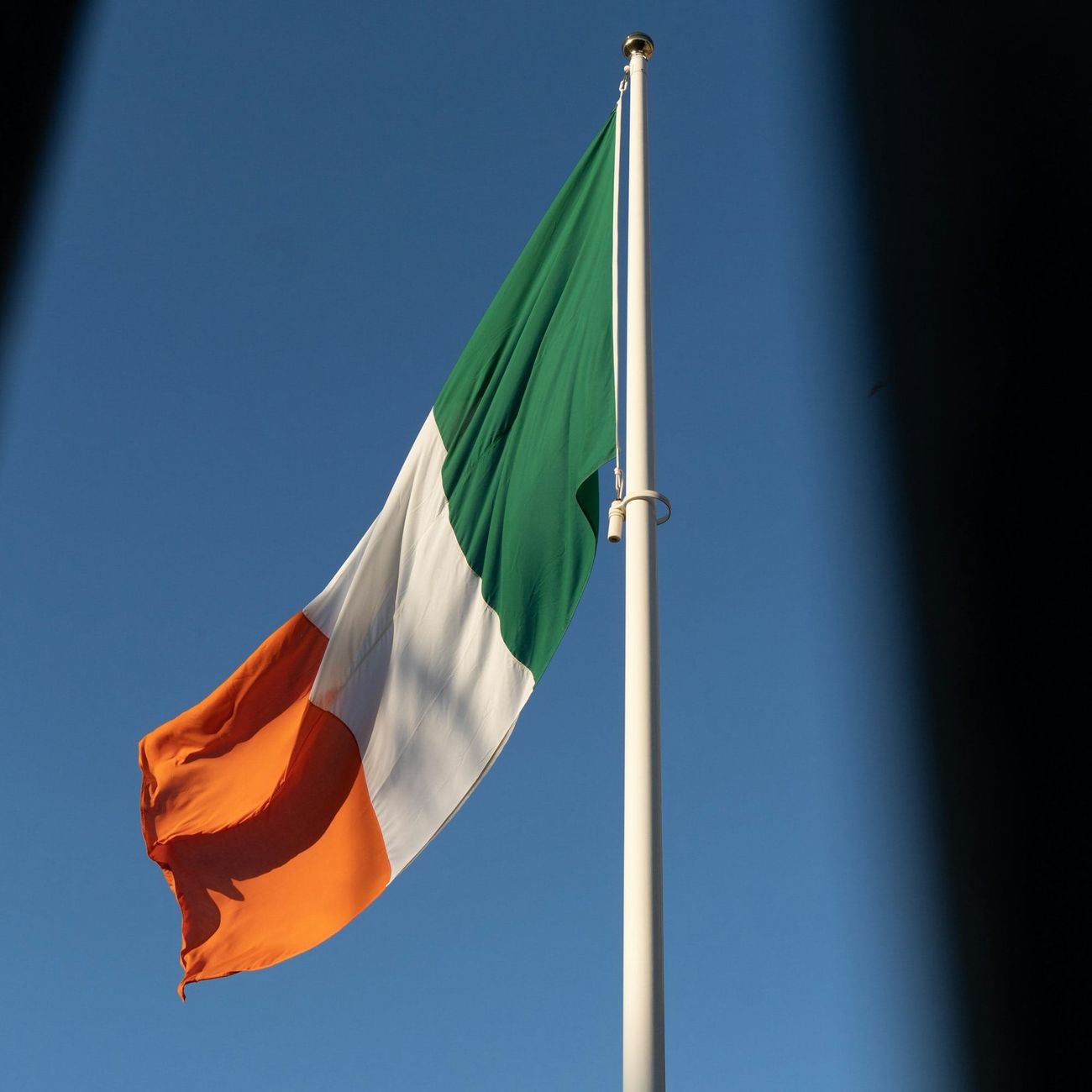
On July 1, 2026, Ireland will assume the Presidency of the Council of the EU from Cyprus. While the Irish Presidency’s program mentions the word “priority” 68 times (the classic!), its primary focus will center on three key pillars: competitiveness, values, and security.
As the Commission’s term approaches its midpoint, the EU will need concrete deliverables for many new initiatives in digital policy, telecommunications, and innovation.
Digital Omnibus - hard deadline of the end of 2026
According to the program of the Irish Presidency of the Council of the EU, the Presidency will aim to reach an agreement with the European Parliament on various omnibus packages, including the digital one, “by the end of 2026.”
We previously wrote that the European Commission’s initial proposal for the Digital Omnibus has been diluted at the Council level and is likely to continue to spark many discussions in the European Parliament.
Judging from a separate mention in the Irish program that simplification is "about better regulation, not deregulation", it's unlikely that the Irish will help correct course.
Taxes and payments: the Tax Omnibus and the Digital Euro
The Irish Presidency plans to “work towards an agreement in trilogue negotiations on the enabling framework for the digital euro,” with a goal of adopting the regulation by the end of 2026. This decision will likely face a fair bit of criticism from private banks, private payment providers, and those who have long been skeptical of keeping large sums of money in a central bank digital currency.
The European Commission will also be presenting its Tax Omnibus at the end of June. Although the Tax Omnibus is presented as an initiative aimed at simplification and easing overlapping rules and taxation for businesses working across the EU, the Irish mention the “Anti-Tax Avoidance Directive” (ATAD) as one of the core files. The Commission's Call for Evidence previously mentioned this as an effort to “prevent aggressive tax planning within the EU” - a goal that is likely to receive a cold welcome from countries with more favorable corporate tax frameworks, including Ireland itself.
Protecting minors online: Chat Control & social media bans are still on the table
As expected, the Irish will prioritize online safety, “particularly for children”.
The Irish mention that they will advocate “for reaching a decision at the EU level on the digital age of majority”. It is known that the expert panel of online safety for children will present their findings and recommendations for the European Commission on July 13, 2026, so, factoring in the summer holidays, the discussion about the digital age of majority - or the minimum age to use social media - fits nicely in the Irish Presidency’s agenda.
ChatControl hasn’t disappeared either. The Irish plan to “progress work” on the Chat Control or the Child Sexual Abuse Directive and Regulation. Ireland has supported the Chat Control proposals since the beginning.
Progress on health data spaces
Ireland wants to “prioritise progress on the implementation of the European Health Data Space.” Data spaces are meant to serve as secure environments where European innovators can access specific types of data for reuse in the public interest, policy support, and scientific research.
Yet, despite the Commission’s efforts, European innovators often feel like health data is still inaccessible to them - leaving them much less competitive than their counterparts in other parts of the world.
In between the lines: Digital Fairness Act
The Irish do not mention the Digital Fairness Act (DFA) explicitly, but it is clear they are writing between the lines - presenting it under the broader umbrella of strengthening industrial resilience through “promoting high standards and digital fairness.”
Previously, the Commission planned to present the draft DFA in Q4 2026, but it looks like it will land even sooner, in Q3 2026. Nevertheless, given the massive scope of the file, the negotiations between Member States are bound to drag well into next year, to the Lithuanian Presidency in 2027.
Industrial Accelerator Act as a priority
The Irish list the Industrial Accelerator Act (IAA) as a priority file for their Presidency, calling it “a flagship proposal to promote industrial renewal within the EU” and aiming to reach an agreement on the act by the end of the year.
While many analysts and media outlets focus on the difficulties Ireland might face in pushing for the EU’s technological sovereignty from the US, especially given that the island hosts a massive number of American corporations, balancing the Irish relationship with China against the push for the IAA will be equally difficult.
Technological sovereignty: space, cloud, and cyber resilience
The Irish Presidency plans to progress the EU Space Services Agency Regulation, ensuring that space finds its place under the sun of the European Competitiveness Fund (ECF), while also “advancing the EU Space Act.” As expected, the EU Space Act has already received negative reviews from the US State Department and SpaceX, both of which criticize it as discriminatory.
The main discussions on the recently proposed Cloud & AI Development Act will commence under Ireland's watch. The Irish have tasked themselves with submitting only a progress report by the end of their Presidency.
Similarly, the Irish are not expecting to reach a final agreement on the Cybersecurity Act’s (CSA) revision, instead, they are focusing on advancing “discussions addressing ICT supply chain security challenges, including non-technical risk factors.” The Presidency’s program aims to align the revised CSA with the European Internal Security Strategy (ProtectEU) priorities, which are already reflected in the NIS2 Directive, the Critical Entities Resilience (CER) Directive, and the Cyber Resilience Act (CRA).
Lastly, despite the Digital Networks Act being proposed in early 2026, the Irish Presidency aims only to “progress partial compromise texts and submit a substantial progress report.”
Election time at the ITU
The Irish will also be coordinating EU positions across various international formats this fall, including the International Telecommunication Union (ITU) Plenipotentiary Conference, where leadership elections will take center stage.
Currently, the Deputy Secretary-General is European - Lithuania’s Tomas Lamanauskas - who received the EU’s backing during the previous election cycle.


