Regulatory roadblocks for commercial use of drones in Europe
While drones are driving innovation across industries, European agriculture still lags in unlocking their full potential - not for lack of promise, but because regulation keeps that innovation grounded.
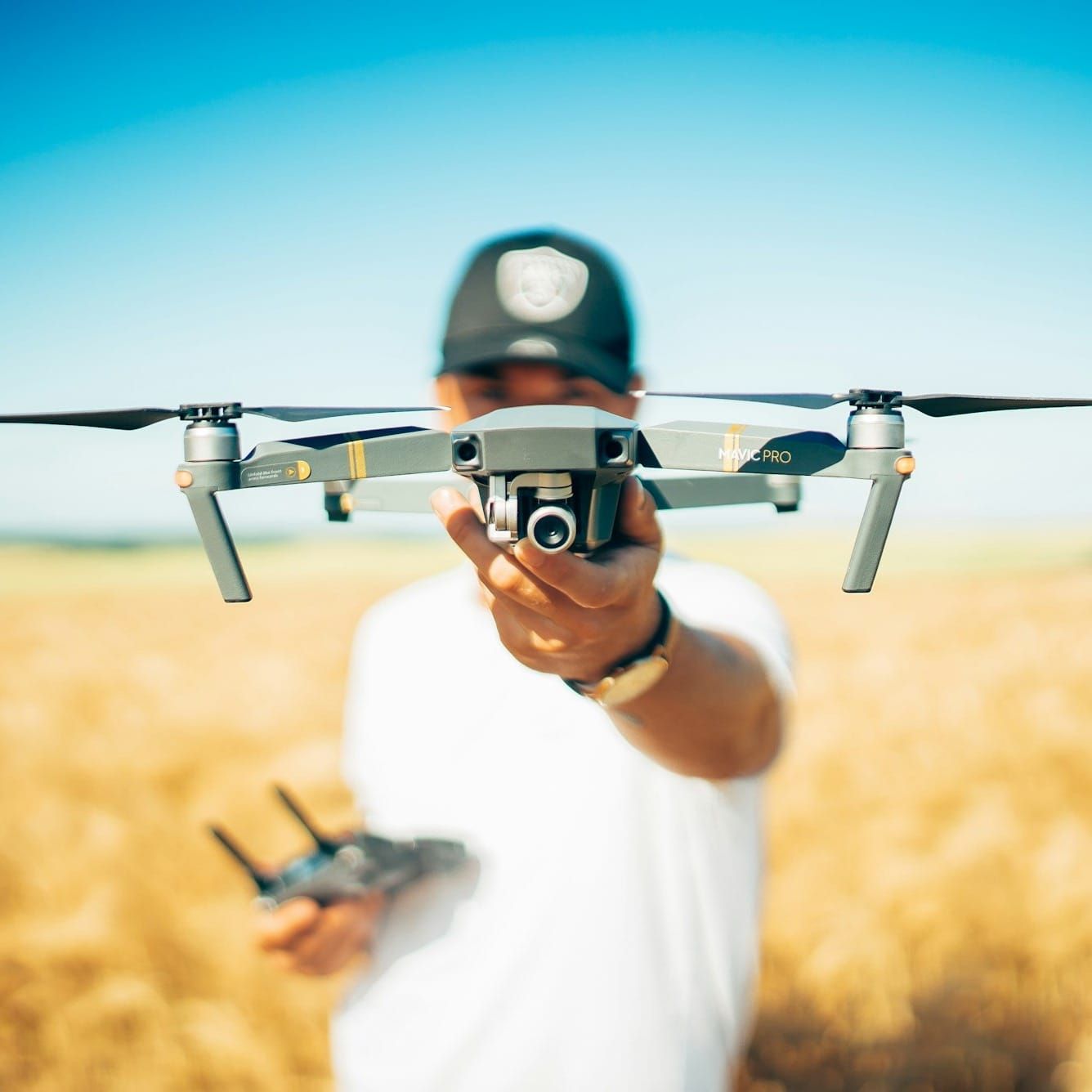
If you attended an agricultural trade show 20 years ago, you would see the standard lineup : the newest set of tractors, combine harvesters, and ploughs. Today, these expos look increasingly similar to tech events, with high-tech soft- and hardware developers showing off AI-driven ways to keep inventory or monitor the health of livestock. And drones… many, many drones. Japan and China are the leading manufacturers of agricultural drone equipment, but even European companies hold a significant market share. The latter might come as a bit of a surprise, given that Europe still applies a "No, but maybe" approach to drones, instead of a "Yes, and".
The use of drones in the EU is governed by the European Union Aviation Safety Agency (EASA), and most use cases fall either in the "Open" or the "Specific" rule category. "Open" use cases would be for instance the use of a drone to film a countryside movie shot. However, because the use of drones in agriculture may involve the spraying of pesticides, it becomes not merely a heavily regulated "Specific" use case, but it is also governed by the Directive 2009/128/EC1, establishing a framework for Community action to achieve the sustainable use of pesticides, under which it is banned.
In practice, this means that permission to spray crop protection chemicals with drones is tedious and member state specific. It requires the operators to have specific permits and permissions, but even when they do, most of the pesticides needed for use aren't permitted for aerial use in Europe. The U.S system allows the use of drones with proper and state certifications, while Europe bans it by default, and only allows it if "no viable alternatives exist". In essence, this means that only those farmers who face challenges such as very steep vineyards could get a waiver.
This oversight and lack of innovation is not just the observation of some outsiders. In the controversial Sustainable Use Directive of the last European Commission mandate, Berlaymont had included a regulatory overhaul of drone usage in agriculture. However, because this piece of legislation was rejected by the European Parliament and then retracted by the European Commission following stark political and farmer opposition, it failed to come into existence. In a letter led by Portugal and supported by 14 other member states in late 2024, it reads:
"Given the technological advances in recent years in the field of precision farming tools, it is important to recognise the role to be played by drones, thus enabling a combined action between monitoring, data management and analysis and decision-making, thus contributing to the sustainability of the sector in environmental, economic and social terms and the sustainable use of pesticides."
Drone use has immense benefits for spraying. Not only does it improve efficiency of the use of these chemicals, it also reduces the exposure for the professionals in the field. As a way to improve technological use in agriculture, and by mere virtue of comparing ourselves to our trading partners, it is essential.